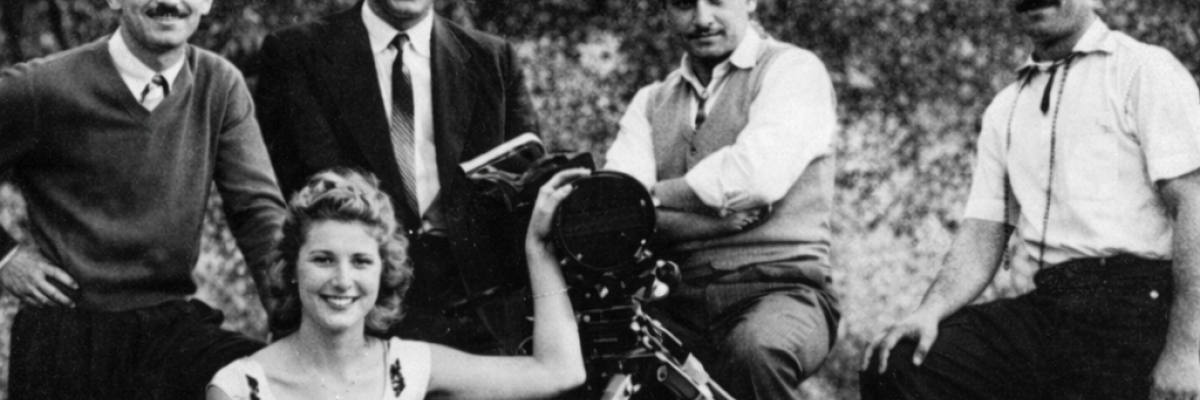
This story is one about first-of-their-kind, lost, burned, and unfinished films that never had the chance to see the light of day. The purpose of this exhibition is to finally shed light on footage, phenomena, and personalities that have been neglected or even deliberately buried in the dust of the past. This involves a focus and attempts to fill in the blanks of traces of those neglected by history and fame to finally acknowledge and appreciate their role and impacts.
No ruins, no crying, no mourners: once upon a time there was Baalbeck Studios, and then, as Scheherazade concludes the story of Sinbad in “One Thousand and One Nights,” “the destroyer of pleasures and the divider of groups came.”
Quoting Scheherazade here is not a rhetorical euphemism. Baalbek Studios was not only one story among many in this history of Lebanon’s cultural production, but it itself contained a multitude of stories like the pages of “One Thousand and One Nights” of Lebanon’s history.
Here the attribution is to Lebanon, in its most abstract sense, as it is worth noting that Baalbeck Studios was established in the 1960s by Palestinians who had come to Lebanon, the businessman Badih Boulos and the relatively unknown banker Yousef Beidas, and that significant roles in the Studios were played by Italian Giordano Pidutti, Syrian Youssef Fahdeh, Iraqi-born Armenian-Lebanese Gary Garabedian, and other non-Lebanese as well as Lebanese characters that formed the film industry in Lebanon and “Lebanese” cinema.
This project is one continually in progress in the form of a developing essay installation by UMAM D&R and curated by Ayman Nahle that continues to explore and unpack the traces left behind of Baalbeck Studios and complemented by other found archival material. This exhibition specifically focuses on one notable yet forgotten character, the director Youssef Fahdeh, whose innovation led to the development of a new lens, the LebanonScope.
Happening at The Hangar UMAM Documentation & Research (UMAM D&R) – Haret Hreik, Beirut
نتحدّثُ عن أفلامٍ أولى في نوعِها، فُقِدَت وأُحرِقَت وأفلامٍ لم تُنجزَ بعد أنْ أوشكَت على إبصارِ النّور، والهدفُ مِنْ ذلكَ لا يتّسم بالشموليَّة، بمقدارِ دورانِه حولَ ظواهرٍ وشخصيّاتٍ طُمِسَت معالمُها أوْ تعمَّدَ البعضُ طمرَها في ترابِ الماضي، فكثرةُ الحديثِ عن عاثِري الحظ وحرمانِهم مِنَ التقديرِ والدعمِ المطلوبِ لاستمرارِها في السينما، جعلتْ من حرمانِ هؤلاءِ الشهرة، فباتَ مِنَ الواجبِ إماطَةُ اللثامِ عنْ أولئكَ الذينَ رحَلوا أوْ اعتزلوا مهنتَهَمُ بعيدًا عَنِ الأضواءِ البرّاقة، ذلِكَ أنَّهُ ليسَ مُهِمًّا الإمساكُ بذيلِ خبرٍ يفضي لإعلانٍ عَنْ فشلِ مخرجٍ، للمرَّةِ المئةِ بعدَ المئة في العثورِ على مُنتجٍ يُؤْمِنُ بأفكارِهِ ومشاريعِهِ الجَاهزة. الأكثرُ أهميَّةً مِنْ ذلِكَ هو الكشفُ عَنْ مُحاولاتٍ لَمْ تُقدَّرَ حَقَّ قَدرِها بِقَصْدِ استبعادِها والتقليلَ مِنْ شأنِها في التأثيرِ على مسارِ السينما المحليَّة، ولِذلكَ بعضُ الأسبابِ في موضعِ القصورِ الفنّي والنَّقدي، وبعض الأسباب الشّخصيَّة التي يُمكِنُها أنْ تتَّسِمَ بطابِعِها التآمُري أحيانًا.
لا أطلالَ ولا بكاءَ ولا من يَحْزُنُونَ. كان يا ما كان ستوديو بعلبك ثُمَّ على ما تَخْتِمُ شهرزادُ قصَّةَ السِّندباد ــ «جاءَ هادِمُ اللذّات ومُفرِّقُ الجماعات»، وليس الاستشهادُ بشهرزادَ من بابِ المُلاطفةِ البلاغية؛ فستوديو بعلبك، كما صُوِّرَ للبنانيين في أيّامه وساعاتِه الأخيرة، كان، حقاً، إحدى صفحات الألفَ ليلةٍ لبنانيةٍ وليلة... ولو انَّه لا بأسَ من المُسارعةِ إلى التَّنبيه بأنَّ النِّسْبَةَ هُنا إلى لبنانَ، بأعلى معانيه تجريداً، لا إلى اللبنانيين! ولعلّ التَّذكيرَ بأنَّ إنشاءَ ستوديو بعلبك، في الستينيات من القرنِ الماضي، كان على يَدِ «الفلسطينيَّيْن» رجل الأعمال بديع بولس والمَصرِفيّ الغامض يوسف بيدس، كما التَّذكيرَ بالأيادي البيضاء للإيطالي جيوردانو بيدوتّي، وللسوري جوزف فهده، وللعراقي المولد الأرمني اللبناني معاً غاري غرابديان، قتيلِ «كُلُّنا فدائيون»، ولآخرين لبنانيينَ وغَيْرَ لبنانيّين على صناعةِ السّينما في لبنانَ وعلى السّينما «اللبنانية».
هذا التجهيز قَيْد الإنشاء بتوقيع أمم للتوثيق والأبحاث يَقِفُ عليه ويُنَسِّقُه أيمن نحلة حيث يُسلِّط الضوءَ على المخرج يوسف فهده الذي سَكَبَ عدسة السكوب لأول مرّة في لبنان.
الافتتاح:
المكان: هنغار أمم – حارة حريك، بيروت
About Youssef Fahdeh:
Filmmaker, Cinematographer, and Technical Innovator
Youssef Fahdeh is considered one of the foundational yet largely marginalized figures in the history of Lebanese and Arab cinema. Born in Syria, he was primarily active in the 1950s, belonging to a generation that worked with cinema before it had fully crystallized as a production industry or a clearly defined cultural field in Lebanon.
Fahdeh was largely self-taught, combining artistic ambition with a strong experimental and technical drive. He viewed cinema as both a cultural and artisanal project that could be developed locally. His most significant contribution lies in his invention and assembly of a locally made wide-angle lens, “Cinemascope”, later known as “Libanoscope”, which enabled him to shoot films in Cinemascope using modified equipment and limited resources.
Using this technique, he directed For Li man toushroq al-shams (1957–1958), the first Arab film shot with a Cinemascope lens and the first Lebanese film selected for the official competition at the Moscow International Film Festival in 1958. He then continued his exploration of widescreen cinema with Fi al-dar ghariba (1959).
His final project, Al-Mu‘allim Lattouf, adapted from a short story by Fouad Kanaan, was an ambitious work that was never completed in its final form due to production difficulties. Despite its unfinished state, the film reflects Fahdeh’s realist orientation and stands as a telling marker of a cinematic trajectory cut short too soon.
Despite limited resources and the absence of institutional support, Youssef Fahdeh’s work remains a testament to an early moment in the region’s cinematic history when film was imagined, made, and invented locally, in direct confrontation with constraints and possibilities alike.
سينمائي، مدير تصوير، ومبتكر تقني
يُعدّ يوسف فهدِه أحد الأسماء التأسيسيّة، وإن ظلّت مهمَّشة، في تاريخ السينما اللبنانيّة والعربيّة. وُلِد في سوريا ونشِطَ أساسًا في خمسينيّات القرن الماضي، ضمن جيلٍ اشتغلَ على السّينما قبلَ أن تتبلور كمؤسّسةٍ إنتاجيةٍ أو كحقلٍ ثقافيّ واضح المعالم في لبنان.
كان فهدِه إلى حدٍّ كبير عصاميّ التكوين، وجمع بين الطموح الفني والنزعة التجريبية التقنية، معتبرًا السينما مشروعًا ثقافيًا وحِرَفيًا يمكن تطويره محليًا. وتتمثّل مُساهمتِه الأبرز في ابتكارِهِ وتجميعهِ عدسةً عريضةً محليّة الصُّنع، عُرفت لاحقًا باسم «ليبانوسكوب»، أتاحت له تصويرَ أفلامٍ بتقنيةِ السينماسكوب باستخدام معداتٍ معدّلةٍ وإمكاناتٍ محدودة.
باستخدام هذه التقنية، أخرج فيلم «لِمَن تشرق الشمس» (1957–1958)، وهو أولُ فيلمٍ عربيّ يُصوَّر بعدسة سينماسكوب، وأولُ فيلم لبناني يُختار للمسابقة الرسميّة في مهرجان موسكو السينمائي الدولي عام 1958. ثم تابع تجربته في السّينما العريضة بفيلم «في الدار غريبة» (1959).
كان مشروعه الأخير «المعلّم لطّوف»، المقتبس عن قصة قصيرة لفؤاد كنعان، عملًا طموحًا لم يُنجَز بصيغته النهائية بسبب صعوبات إنتاجية. ورغم عدم اكتماله، يعكس الفيلم توجّه فهدِه الواقعي ويشكّل علامة دالّة على مسار سينمائي انقطع قبل أوانه.
على الرغمِ من محدودية الموارد وغيابُ الدعم المؤسسي، تبقى أعمال يوسف فهدِه شاهدًا على لحظة مبكرة من تاريخ السينما في المنطقة، حين كان الفيلم يُتخيَّل ويُصنَع ويُخترَع محليًا، في مواجهة الظروف والإمكانات.